SSMet

July 2026

Automatic Weather Monitoring System
Uncategorized

Automatic Weather Monitoring System: Key Weather Parameters It Measures

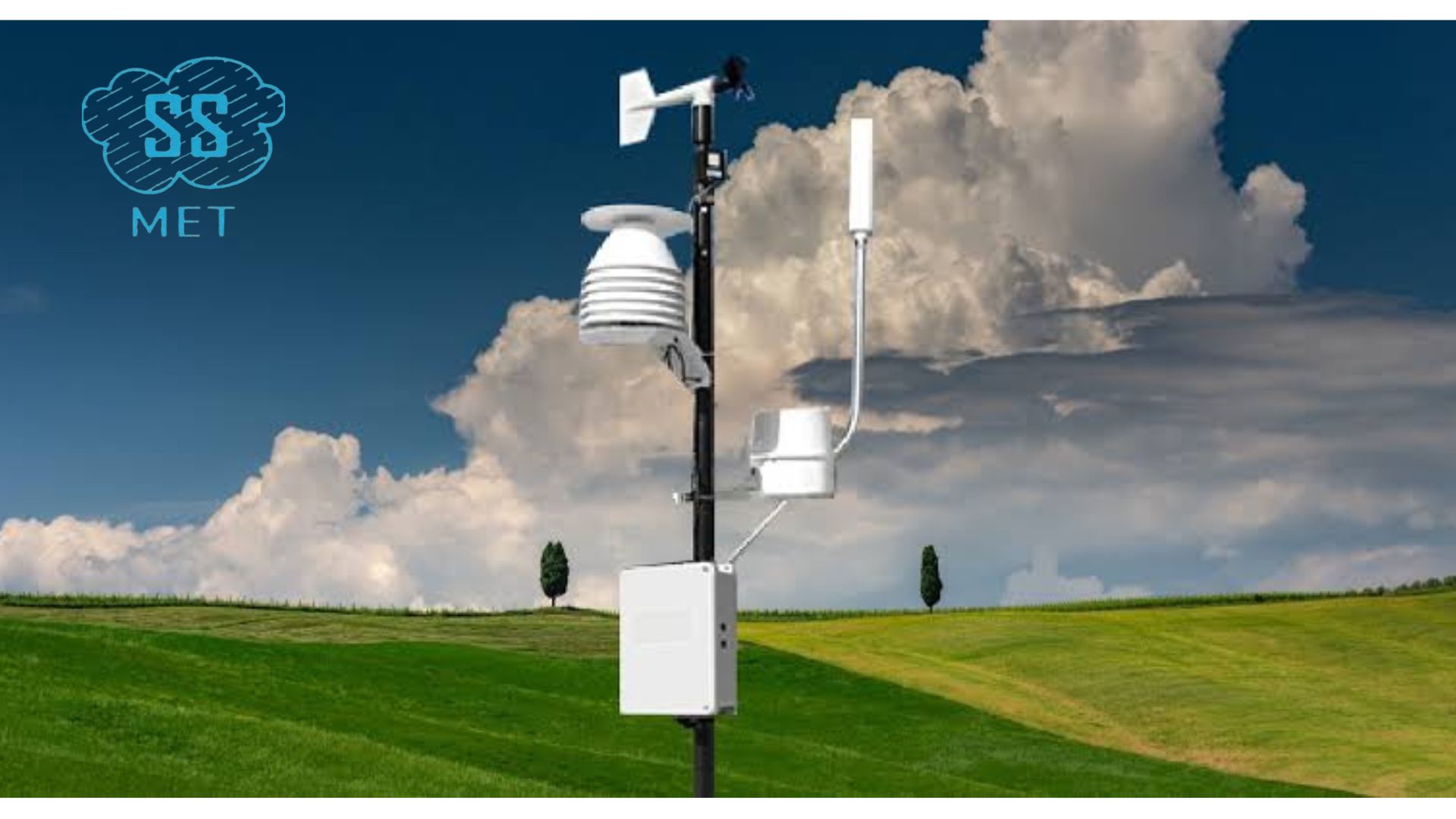
Weather monitoring has evolved with better technologies used in communication, data logging and real time processing functions. Today, we have advanced weather monitoring sensors which use precision methods to sense data and generate reports immediately. In the data driven world, the accurate measurement is highly essential for the businesses and large organizational activities. But what are the list of key parameter that are typically measured by these systems? In this blog, we are going to answer this question. List of Weather Parameters Wind Speed Wind speed influences the operations and safety protocols in aviation, marine and port operations and city infrastructure development projects. The ultrasonic wind sensors are used to measure wind speed. Wind Direction The direction of wind is essential information to predict thunderstorms, dilution of particulate matter in the air, monsoon and other events. From air quality studies to weather forecasting, this parameter is widely measured. Air Temperature One of the most frequent parameters, air temperature, is used as a direct reference point to judge the weather. It influences which air-cooling or heating equipment we would use in our homes. For farmers, it affects the cultivation of crops, and the industrial processes are also influenced by the reading of the air temperature sensor. Relative Humidity In simple terms, it is ratio of moisture present in the air to how much the air can hold at the same temperature.  A high value of relative humidity can be dangerous for human comfort, as well as corrosive for the metallic equipment. This weather parameter is used in cold storage units, pharmaceutical development and food processing, etc. Atmospheric Pressure Changes in atmospheric pressure often indicates change in weather or the altitude. AT higher altitudes, the pressure is lower and it changes how many things behave. The overblown packaged food in the hill stations are a good example. By measuring atmospheric pressure, the industries like aviation, marine decide their routes and transport settings. Rainfall A lot of agriculture practices, especially irrigation depends on the rainfall. The piezoelectric or optical sensing technologies give rainfall data. it measures the amount and intensity of precipitation over a given period. Apart from agriculture, it is used in flood warning and urban drainage management. Solar Radiation Solar energy is a revolutionary fuel that fulfils our electricity demands with a faster returns on the cost of investment. Measurement of solar radiations is conducted for renewable energy studies, solar power plants, zonal power management and climate studies. Integrated Air Quality Monitoring Suppliers like SS Micro Electronics provide weather monitoring sensors air quality measurement system. It has become a regulatory compliance in many parts to measure the airborne particles and toxic gases. Air quality data influences the decision making of urban planning, industrial pollution treatment standards, tourism and public health policies. Final Notes The automatic weather monitors sensors are used for multiple parameter measurement. These are highly accurate and enclosed with weather resistant materials. Their communication system uses advanced technology such as Modbus and SCADA. These measurements ensure better planning, safer operations, and improved environmental awareness. SS Micro Electronics provides best weather stations with latest technologies that are compatible with modern recording and communication systems.

Air Quality Monitoring Systems
Uncategorized

Why Smart Cities Need Air Quality Monitoring Systems

Problems due to air pollution in urban cities are becoming a major crisis. Many developing cities or model cities are grappling with massive air pollution. It is not only a public health issue, but there are many other problems linked to it. The population with high income resources consider leaving the city. On the other hand, daily wage workers have no choice but to work in the harsh outdoor conditions. During winters, the crisis becomes more severe with the AQI levels reaching beyond dangerous limits. Thankfully, some tools help the governing bodies and urban planners to fight this issue before it turns into a gigantic matter. Weather stations equipped with air monitoring sensors allow them to respond to pollution events and plan for a healthier urban future. What is an Air Quality Monitoring System Modern air quality monitoring systems use a network of sensors to monitor air pollutants and also the essential parameters associated with them. For instance, the higher wind speed dilutes the pollutants faster, while rain cleanses the atmosphere by washing out the suspended particles. The key parameters measured by air monitoring sensors: Particulate Matter (PM2.5 and PM10) Pollutant Gases like CO, NO₂, and SO₂ Total Volatile Organic Compounds (TVOCs) Temperature Relative Humidity Atmospheric Pressure Wind Speed and Direction Rainfal Its Significance in Smart Cities The city officials collect the data, generate reports and act upon receiving the signals which show high levels of particulate matter or gases. This data-driven approach is essential for the city planners to improve their public services. Air quality is a highly important environmental factor as it directly impacts traffic behaviour, urban development, and sustainability goals. Benefits of Installing Air Monitoring Sensor Real-Time Pollution Monitoring Old monitoring methods were useful, but they lack an immediate response. During a sudden surge in pollution, the reporting is not prompt. A modern system resolves this by providing real-time data so that the officials can respond to the sudden rise in pollution caused by congested traffic, wind storms and large fire accidents. Warning High Pollution Signs Poor air quality directly affects our respiratory system and makes cardiovascular conditions severe. The monitoring systems give warning signs so that the authorities can issue a public health advisory. Optimize Traffic Management As vehicle emissions are one of the primary causes of air pollution, optimizing traffic is crucial for avoiding congestion or a complete halt. The traffic management officials use the data to identify the hotspots and move the traffic away from the region. Better Urban Planning Air quality monitoring helps urban planners study how pollution data varies across the city. They can allocate areas with green spaces, select the right zones for schools and hospitals, and plan for industrial zoning. Conclusion By integrating the weather station with air monitoring sensors, the pollution control officers get an important tool for their decision-making. By reading the data, they can balance the city’s infrastructure project development with compliance with environmental regulations. Achieving sustainability goals should be the priority of every smart city development project. We at SS Micro Electronics provide well built, smart connectivity systems for air quality monitoring.

Scroll to Top

GET A QUOTE