SSMet

Author name: ssmicro

Radiation shield manufacturers
Uncategorized

How Radiation Shields Reduce Measurement Errors in Weather Monitoring

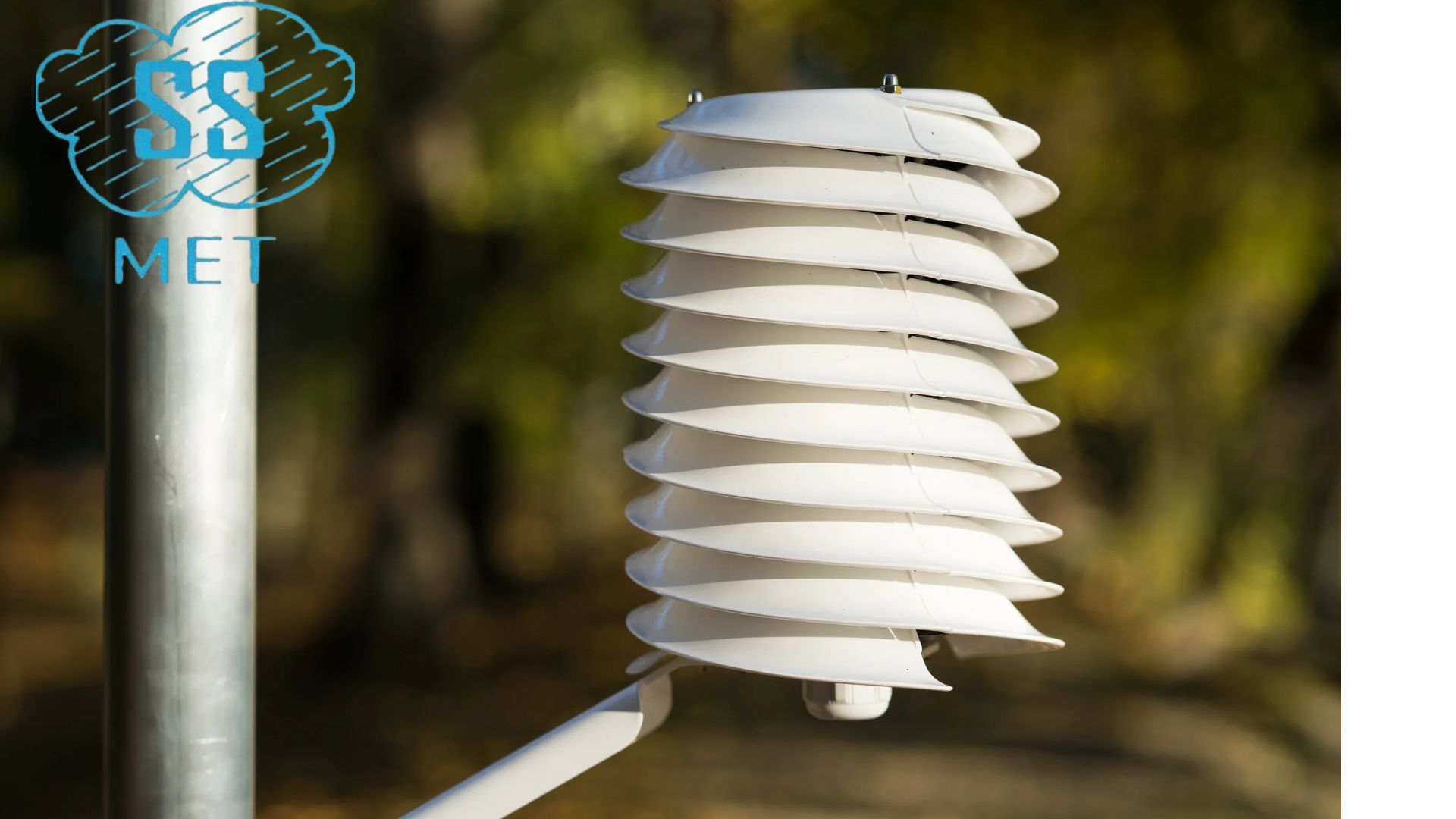
Having accurate weather data depends on accurate sensor information. However, most outdoor humidity and temperature sensors are exposed to sunlight, heat, rain, and dust. Even the best sensor in the world will give wrong data if it is not properly protected. Radiation shield manufacturers create shields that protect from solar radiation, but at the same time allow air to flow through them and thus deliver correct results in many applications. Why Measurement Errors Occur in Weather Sensors Various environmental factors influence outdoor sensors, which lead to incorrect readings: Direct sun rays heat the sensor and raise temperature data. Heat reflection from buildings, roads, and metal surfaces brings errors. Poor airflow creates hot air around the sensor, which slows down its response. Rain, dirt, and rubbish influence the performance of the sensor. What Is a Radiation Shield? A radiation shield is a protective device that allows air to flow freely and protects the weather instruments outside from direct sunlight. Most designs comprise horizontal plates that provide shade while still ensuring ventilation. Radiation shields are used in: Automatic weather stations Precision agriculture Environmental protection Solar plants Industrial meteorological stations How Radiation Shields Improve Measurement Accuracy Reliable radiation shield manufacturers design their products to reduce the effects of the weather on the performance of a sensor. Prevent Direct Solar Heating The shield prevents the effects of radiation on the sensor, which means there is no build-up of heat, therefore allowing the device to give correct readings. Allow Natural Air Circulation The multi-plate construction of the shield ensures that there is constant airflow through the shield, allowing heat to escape from the area, thus enabling the sensor to give fast readings according to the changes in the weather. Minimize Reflected Heat The shield also stops the heat from nearby objects such as roofs, concrete, and metal structures, thus enhancing accuracy. Protect Against Rain The layered construction of the shield is also effective in safeguarding the sensor from rain, dirt, insects and other contaminants. Radiation Shield Installation When installing the radiation shield, these steps are important: Select a location that is free from obstruction and has good ventilation when installing the shield. Install the shield away from nearby buildings and sources of heat. Avoid putting the shield on concrete and asphalt as much as possible. Place the sensor at the required height. Clean the shield periodically to remove dust and dirt. Conclusion Outdoor weather sensors can be easily affected by environmental conditions, and errors can be prevented using a radiation shield. This shield protects the sensors from sunlight, heat reflected from the surface, and rain, but still allows it to function properly, given that it gets fresh air circulation. A good radiation shield will thus lead to accurate readings, a longer service life, and reliable weather information regardless of whether it is used in agriculture, meteorology, environmental monitoring, or other fields. Choose SS Micro Electronics if you are looking for radiation shield manufacturers. Our shield works effectively to provide enhanced protection for the weather sensors.

Automatic Weather Monitoring System
Uncategorized

Automatic Weather Monitoring System: Key Weather Parameters It Measures

Weather monitoring has evolved with better technologies used in communication, data logging and real time processing functions. Today, we have advanced weather monitoring sensors which use precision methods to sense data and generate reports immediately. In the data driven world, the accurate measurement is highly essential for the businesses and large organizational activities. But what are the list of key parameter that are typically measured by these systems? In this blog, we are going to answer this question. List of Weather Parameters Wind Speed Wind speed influences the operations and safety protocols in aviation, marine and port operations and city infrastructure development projects. The ultrasonic wind sensors are used to measure wind speed. Wind Direction The direction of wind is essential information to predict thunderstorms, dilution of particulate matter in the air, monsoon and other events. From air quality studies to weather forecasting, this parameter is widely measured. Air Temperature One of the most frequent parameters, air temperature, is used as a direct reference point to judge the weather. It influences which air-cooling or heating equipment we would use in our homes. For farmers, it affects the cultivation of crops, and the industrial processes are also influenced by the reading of the air temperature sensor. Relative Humidity In simple terms, it is ratio of moisture present in the air to how much the air can hold at the same temperature.  A high value of relative humidity can be dangerous for human comfort, as well as corrosive for the metallic equipment. This weather parameter is used in cold storage units, pharmaceutical development and food processing, etc. Atmospheric Pressure Changes in atmospheric pressure often indicates change in weather or the altitude. AT higher altitudes, the pressure is lower and it changes how many things behave. The overblown packaged food in the hill stations are a good example. By measuring atmospheric pressure, the industries like aviation, marine decide their routes and transport settings. Rainfall A lot of agriculture practices, especially irrigation depends on the rainfall. The piezoelectric or optical sensing technologies give rainfall data. it measures the amount and intensity of precipitation over a given period. Apart from agriculture, it is used in flood warning and urban drainage management. Solar Radiation Solar energy is a revolutionary fuel that fulfils our electricity demands with a faster returns on the cost of investment. Measurement of solar radiations is conducted for renewable energy studies, solar power plants, zonal power management and climate studies. Integrated Air Quality Monitoring Suppliers like SS Micro Electronics provide weather monitoring sensors air quality measurement system. It has become a regulatory compliance in many parts to measure the airborne particles and toxic gases. Air quality data influences the decision making of urban planning, industrial pollution treatment standards, tourism and public health policies. Final Notes The automatic weather monitors sensors are used for multiple parameter measurement. These are highly accurate and enclosed with weather resistant materials. Their communication system uses advanced technology such as Modbus and SCADA. These measurements ensure better planning, safer operations, and improved environmental awareness. SS Micro Electronics provides best weather stations with latest technologies that are compatible with modern recording and communication systems.

Air Quality Monitoring Systems
Uncategorized

Why Smart Cities Need Air Quality Monitoring Systems

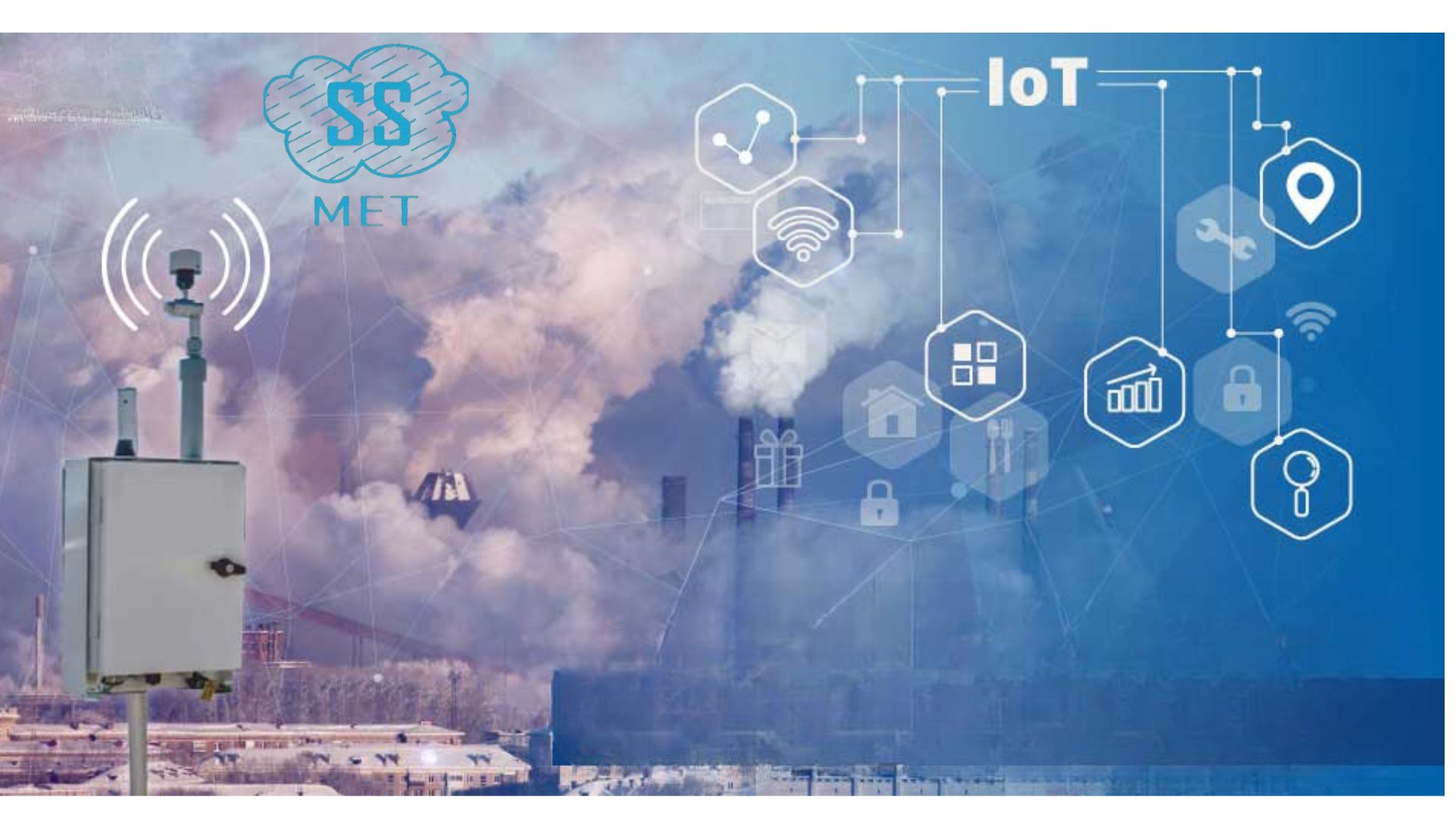
Problems due to air pollution in urban cities are becoming a major crisis. Many developing cities or model cities are grappling with massive air pollution. It is not only a public health issue, but there are many other problems linked to it. The population with high income resources consider leaving the city. On the other hand, daily wage workers have no choice but to work in the harsh outdoor conditions. During winters, the crisis becomes more severe with the AQI levels reaching beyond dangerous limits. Thankfully, some tools help the governing bodies and urban planners to fight this issue before it turns into a gigantic matter. Weather stations equipped with air monitoring sensors allow them to respond to pollution events and plan for a healthier urban future. What is an Air Quality Monitoring System Modern air quality monitoring systems use a network of sensors to monitor air pollutants and also the essential parameters associated with them. For instance, the higher wind speed dilutes the pollutants faster, while rain cleanses the atmosphere by washing out the suspended particles. The key parameters measured by air monitoring sensors: Particulate Matter (PM2.5 and PM10) Pollutant Gases like CO, NO₂, and SO₂ Total Volatile Organic Compounds (TVOCs) Temperature Relative Humidity Atmospheric Pressure Wind Speed and Direction Rainfal Its Significance in Smart Cities The city officials collect the data, generate reports and act upon receiving the signals which show high levels of particulate matter or gases. This data-driven approach is essential for the city planners to improve their public services. Air quality is a highly important environmental factor as it directly impacts traffic behaviour, urban development, and sustainability goals. Benefits of Installing Air Monitoring Sensor Real-Time Pollution Monitoring Old monitoring methods were useful, but they lack an immediate response. During a sudden surge in pollution, the reporting is not prompt. A modern system resolves this by providing real-time data so that the officials can respond to the sudden rise in pollution caused by congested traffic, wind storms and large fire accidents. Warning High Pollution Signs Poor air quality directly affects our respiratory system and makes cardiovascular conditions severe. The monitoring systems give warning signs so that the authorities can issue a public health advisory. Optimize Traffic Management As vehicle emissions are one of the primary causes of air pollution, optimizing traffic is crucial for avoiding congestion or a complete halt. The traffic management officials use the data to identify the hotspots and move the traffic away from the region. Better Urban Planning Air quality monitoring helps urban planners study how pollution data varies across the city. They can allocate areas with green spaces, select the right zones for schools and hospitals, and plan for industrial zoning. Conclusion By integrating the weather station with air monitoring sensors, the pollution control officers get an important tool for their decision-making. By reading the data, they can balance the city’s infrastructure project development with compliance with environmental regulations. Achieving sustainability goals should be the priority of every smart city development project. We at SS Micro Electronics provide well built, smart connectivity systems for air quality monitoring.

rain gauge manufacturers
Uncategorized

Tipping Bucket Rain Gauge vs Manual Rain Gauge: Which One Is Better?

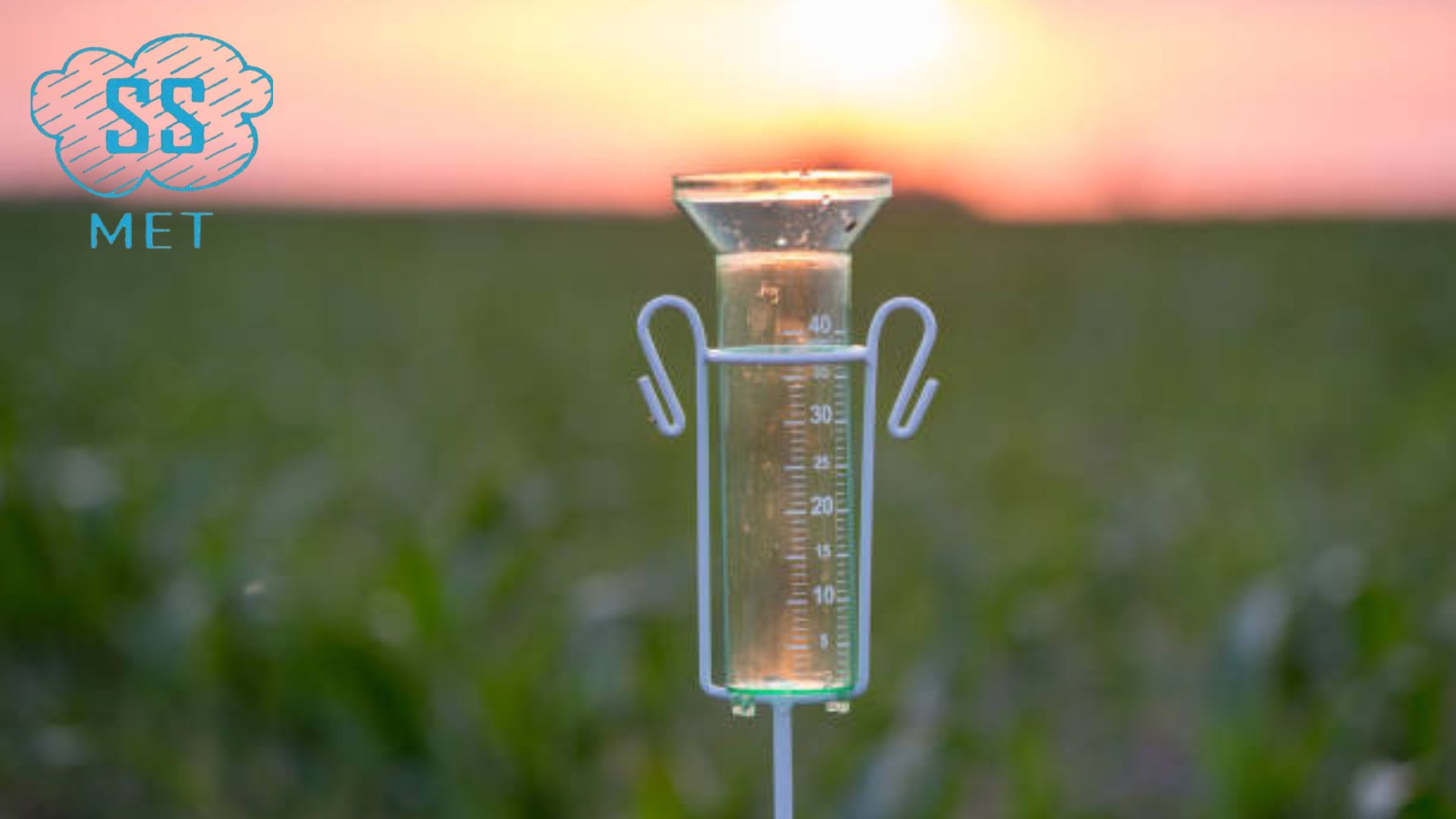
Accurate rainfall measurements play an important role in weather forecasting as well as in agriculture, hydrology, and environmental science. Choosing the right rain gauge is a key factor in ensuring effective rainfall measurement while establishing weather stations or irrigation systems. The two most popular gauges are the tipping bucket and the manual gauge. While both of them can measure rainfall, their working principles, accuracy, maintenance, and applicability differ a lot. When choosing the rain gauge manufacturers, it is important to know how a tipping-bucket rain gauge differs from a rain gauge with manual collection before buying one. An Overview of Both Types of Rain Gauges Tipping Bucket Rain Gauge A tipping bucket rain gauge is a self-operating device used for the measurement of rainfall. This rain collector contains a funnel that collects rainwater and passes it into an upside-down half-gallon bucket by way of two compartments. The bucket is equipped with a tilt switch that takes a measurement every time the bucket is tilted. With every tilt of the bucket, a pulse is generated and sent to the sensor, such as a data logger installed at the weather station. Many rain gauge manufacturers offer electronic versions with some digital outputs. Manual Rain Gauge A manual rain gauge is a simple device that consists of a collection cylinder with graduated marks indicating the level of rainfall. This tool is one of the oldest methods of rain measuring because of its simplicity and low cost. However, it requires frequent inspection and measurement by a specialist. Rain Gauge Comparison Tipping Bucket Rain Gauge vs Manual Rain Gauge Feature Tipping Bucket Rain Gauge Manual Rain Gauge Working Principle Uses a tipping bucket to measure rainfall automatically. Each tip represents a fixed amount of rainfall. Collects rainwater in a graduated cylinder. Rainfall is measured manually. Operation Fully automatic. Fully manual. Accuracy Provides accurate and continuous rainfall data. Accurate when read correctly. Human error is possible. Data Collection Records rainfall automatically and stores data digitally. Requires manual recording after rainfall. Remote Monitoring Yes. Can send data to remote systems. No remote monitoring support. Power Requirement Requires power or a connected monitoring system. Does not require electricity or batteries. System Integration Works with weather stations, data loggers, and IoT systems. Cannot connect to digital monitoring systems. Maintenance Needs periodic cleaning and calibration checks. Requires regular cleaning and manual emptying. Benefits of a Tipping Bucket Rain Gauge The device is capable of providing continuous measurement of rain, eliminating the need for manual recording. The data can be sent quickly to the cloud or to the weather station or to a monitoring program for prompt evaluation. It operates well in unattended areas and therefore cuts down on labour costs while providing reliable information on rainfall for future monitoring works and research. Modern systems connect with ease with weather stations, Internet of Things devices, SCADA systems, and data loggers to facilitate automatic hanging of rain measurements. Conclusion Tipping bucket and manual rain gauges serve the same purpose of measuring rainfall; however, they are built differently. A tipping bucket rain gauge helps in automating the process of measuring rainfall. In terms of various features, these can be evaluated based on various parameters such as specifications, accuracy, and durability when looking for the leading rain gauge manufacturers. SS Micro Electronics is the top supplier of rain gauges with high accuracy and stability. If you want to buy from us, check out our range of products.

Leaf Wetness Sensor: Functions and Benefits in Meteorology
Uncategorized

Leaf Wetness Sensor: Functions and Benefits in Meteorology

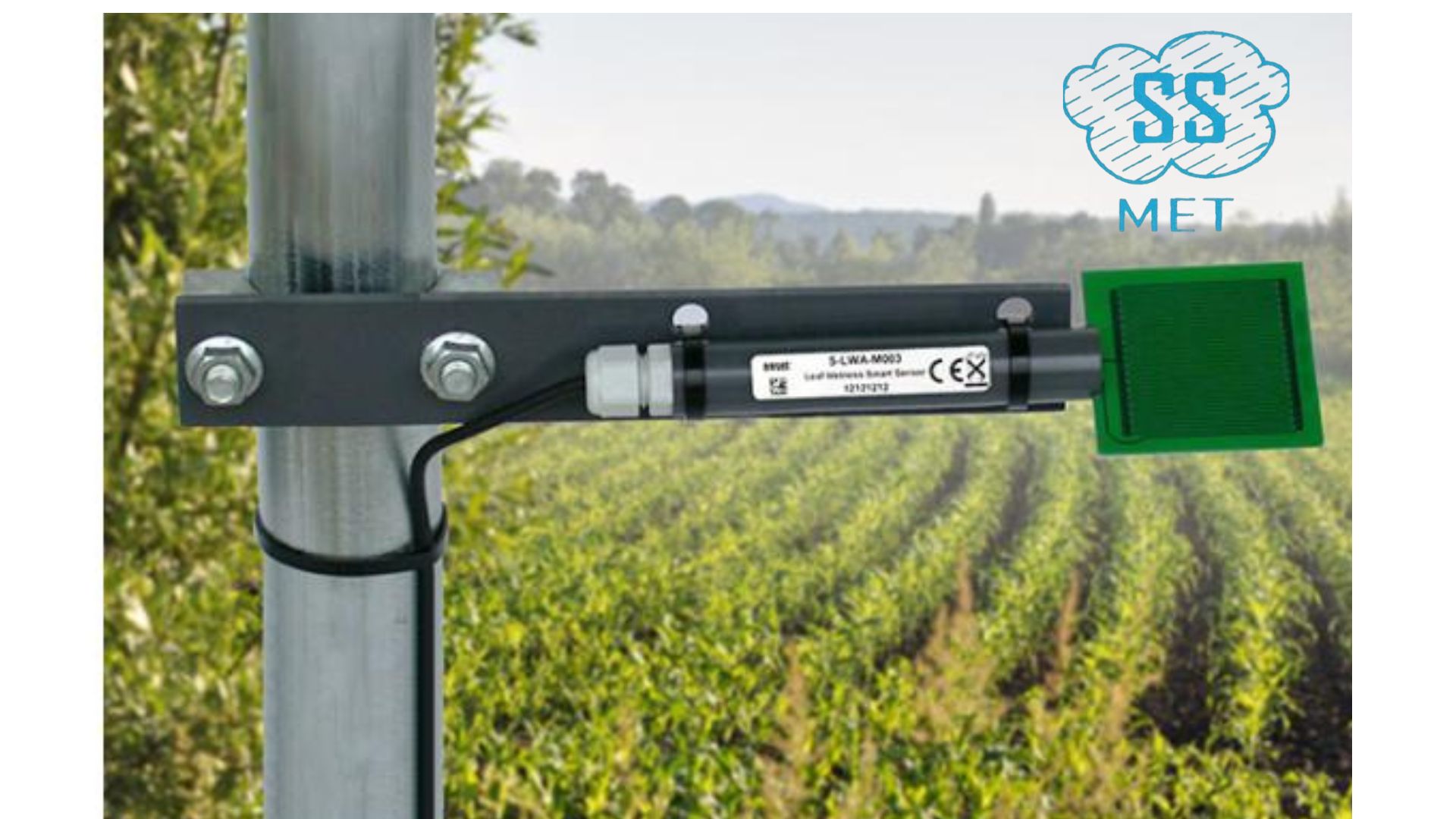
Leaf wetness is a crucial meteorological parameter used to determine the moisture present on the plant surface. It is measured using specialized sensors built by the leaf wetness sensor manufacturers. The sensor indicates the presence of moisture on the leaf surface due to dew, rain, irrigation, etc. These are extremely accurate sensors for environmental monitoring in agriculture and horticulture. SS Micro provides this device with an additional feature of a temperature measurement sensor. Function and Applications How It Works A leaf wetness sensor uses the method of measuring the value of dielectric constant on the sensor surface. In the construction of the leaf wetness sensor, there is a flat surface that mimics the physical and thermal properties of a real leaf. It is attached to electrodes beneath its surface, which creates an electric field. The dielectric constant of water is higher than air, so the electrodes capture the change if there is moisture or water present on the surface. The data logger processes the signal and gives the output of dryness or wetness on the leaf surface. By mimicking the real leaf, it gives measurements of electrical resistance, dielectric constant, or capacitance caused by moisture. Application Leaf wetness measurement is essential for monitoring plant health and when to feed foliar. Here is the list of applications of a leaf wetness sensor: Disease Detection Disease Prevention Irrigation Scheduling Meteorological Research Benefits of Using Leaf Wetness Sensor The best leaf wetness sensor manufacturers employ the dielectric strength method because this is highly sensitive, non-invasive and highly durable. Here are the benefits of choosing our leaf wetness sensor: Early detection of fungal infection in plants Water conservation by enabling timely irrigation Healthier and better plant yields Prevents overuse of fungicides, pesticides and foliar by giving accurate data Applicable in agriculture, greenhouse operations, and environmental research Saves agricultural capital investment by preventing diseases in crops Final Notes The leaf wetness sensor manufacturers have highly proficieant engineers who take care of the tiniest details. The aim is to provide equipment and tools that enable farmers and meteorologists to get accurate data with consistent frequency without interruption. Every sensor goes through stringent quality tests before they are qualified for delivery.If you need a durable and modern leaf wetness sensor, contact our support team today at SS Micro Electronics. We make safe-to-use, accurate and practically beneficial sensors for diverse environmental monitoring and data recording.  

Soil Moisture and Temperature Sensors
Uncategorized

Soil Moisture and Temperature Sensors: Their Role in Agriculture

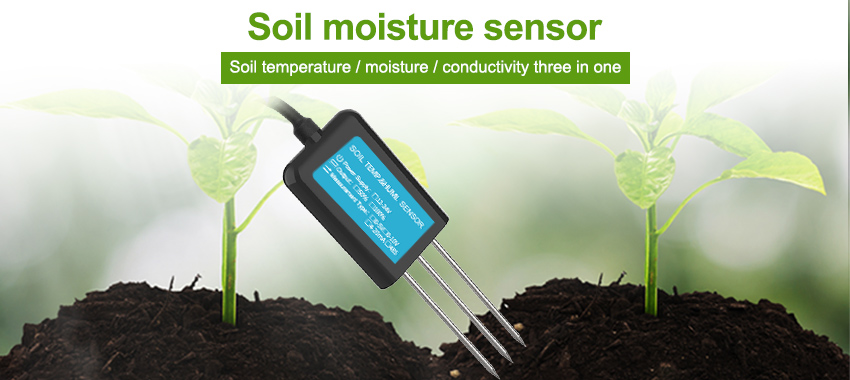
Monitoring environmental conditions with precision is the basic foundation in agriculture. It enables farmers to plan their harvesting, sowing and irrgation stages.  Smart technologies are being adopted in agriculture to achieve better crop productivity. In agricultural meteorology, these technologies support farmers to a great extent. The role of soil moisture and temperature sensors cannot be underestimated. Let’s learn how these sensors help improve crop growth. Knowledge of these sensors and their specifications will help when choosing from the soil moisture and temperature sensor manufacturers. What Are Soil Moisture and Temperature Sensors? Soil moisture and temperature sensors give readings of two important parameters. Soil moisture sensor indicates the amount of water available in the soil. On the other hand, seed germination, root development, nutrition and microbial activity are influenced by temperature. By measuring both of these parameters, the sensors provide essential data to the farmers. Why These Sensors Are Important in Farming Irrigation Management Excess moisture can lead to root diseases and nutrient loss, while lack of it reduces yield. A balance is important and the sensors provide data to plan the irrigation schedules according to the actual soil condition. Higher Productivity Accurate data from the sensors improve the decision-making of the farmers. Planting the seeds, sapling, and crop management are better scheduled. The result is a more uniform yield of crops/ Resource Management Water, fertilizers, and energy are the major resources of farming. Using the monitoring data obtained from soil moisture and temperature sensors, the farmers can reduce wastage and improve sustainability. How to Choose Right Soil Moisture and Temperature Sensor Measurement Accuracy Choose soil moisture and temperature sensor manufacturers that supply highly accurate devices for all soil types. Check the accuracy of both the parameters in the sensor. Durability Being in an agricultural environment, the sensors may face challenging conditions where they are exposed to chemicals, heat, dust and many more. A robust build quality is non-negotiable for durability. General Specifications Read the information regarding temperature range, resolution, IP protection, response time, probe material and cable length. A manufacturer should provide all the specific details. Conclusion With reliable agricultural meteorological sensors, farmers can optimize their irrigation practices, improve crop health, and reduce resource wastage. The soil moisture and temperature sensor manufacturers play a crucial role in supporting them by building accurate tools that withstand the challenging conditions. SS Micro Electronics is the leading supplier of a wide range of weather and soil monitoring sensors. If you want to buy from us, get in touch with our team.

Why Automated Weather Stations are Preferred Today
Uncategorized

How Pocket Trackers Help You Monitor Weather Anywhere

The weather can change within minutes, particularly when you are in open areas where climatic conditions usually differ from weather forecasts. Whether you are constructing a house, climbing mountains, growing crops, or carrying out field studies, the possibility of accessing weather data in real time can contribute to making more accurate decisions. Pocket weather trackers are small -sized devices that measure the climate situation at your chosen location, allowing you to monitor the situation easily and reliably. Before choosing a reliable one from the pocket weather tracker manufacturers, read this blog to know about this device. What is Pocket Weather Tracker? Pocket weather tracker is a small device that can be used by a person anywhere to find out the current weather and the surrounding climate conditions. The main difference between weather applications is that they rely heavily on the internet connection and the proximity of weather stations, while these devices provide real-time readings. Depending on the model, a pocket weather tracker can measure: Air temperature Relative humidity Wind speed Barometric pressure Altitude Dew point Wind chill Heat stress How Pocket Weather Tracker Functions Real-Time Environmental Measurements The primary benefit of using a pocket weather tracker lies in its ability to provide immediate weather data. Instead of depending on forecasts, portable weather devices enable users to keep track of real-time temperature, wind velocity, humidity, and atmospheric pressure so that they are able to act quickly when critical weather changes arise. Convenient and Lightweight Pocket weather trackers come in a portable form and size that make their storage easy. The Real-Time Environmental Measurements The primary benefit of using a pocket weather tracker lies in its ability to provide immediate weather data. Instead of depending on forecasts, portable weather devices enable users to keep track of real-time temperature, wind velocity, humidity, and atmospheric pressure so that they are able to act quickly when critical weather changes arise. Convenient and Lightweight Pocket weather trackers come in a portable form and size that make their storage easy. The pocket weather tracker make these devices from durable, weather-resistant materials, which means they can be used in harsh outdoor conditions. Reliable in Remote Locations Pocket weather trackers also do not need a network connection to get weather data, making it easier for them to work in various areas like forests, mountaintops, crop fields, construction sites, etc., where mobile network is non-existent or extremely limited. make these devices from durable, weather-resistant materials, which means they can be used in harsh outdoor conditions. Reliable in Remote Locations Pocket weather trackers also do not need a network connection to get weather data, making it easier for them to work in various areas like forests, mountaintops, crop fields, construction sites, etc., where mobile network is non-existent or extremely limited. Conclusion Pocket weather trackers let you keep an eye on the weather no matter where your job takes you. Designed to meet the needs of today’s most commonly adopted pocket devices, these weather trackers supply data on temperature, humidity, wind speed, and other variables that regular forecasts seldom provide you with. Whether you’re working in agriculture, construction, environmental research, or outdoors, a pocket weather tracker will improve your ability to plan your activities and act safely and properly. When making a choice, stick to reliable pocket weather tracker manufacturers in order to get precise, long-lasting and high-quality devices. We at SS Micro Electronics are the best supplier of pocket weather trackers. Buy from us and get a convenient and accurate solution for your weather reading.

Key Components of Reliable Weather Monitoring Systems
Uncategorized

Key Components of Reliable Weather Monitoring Systems

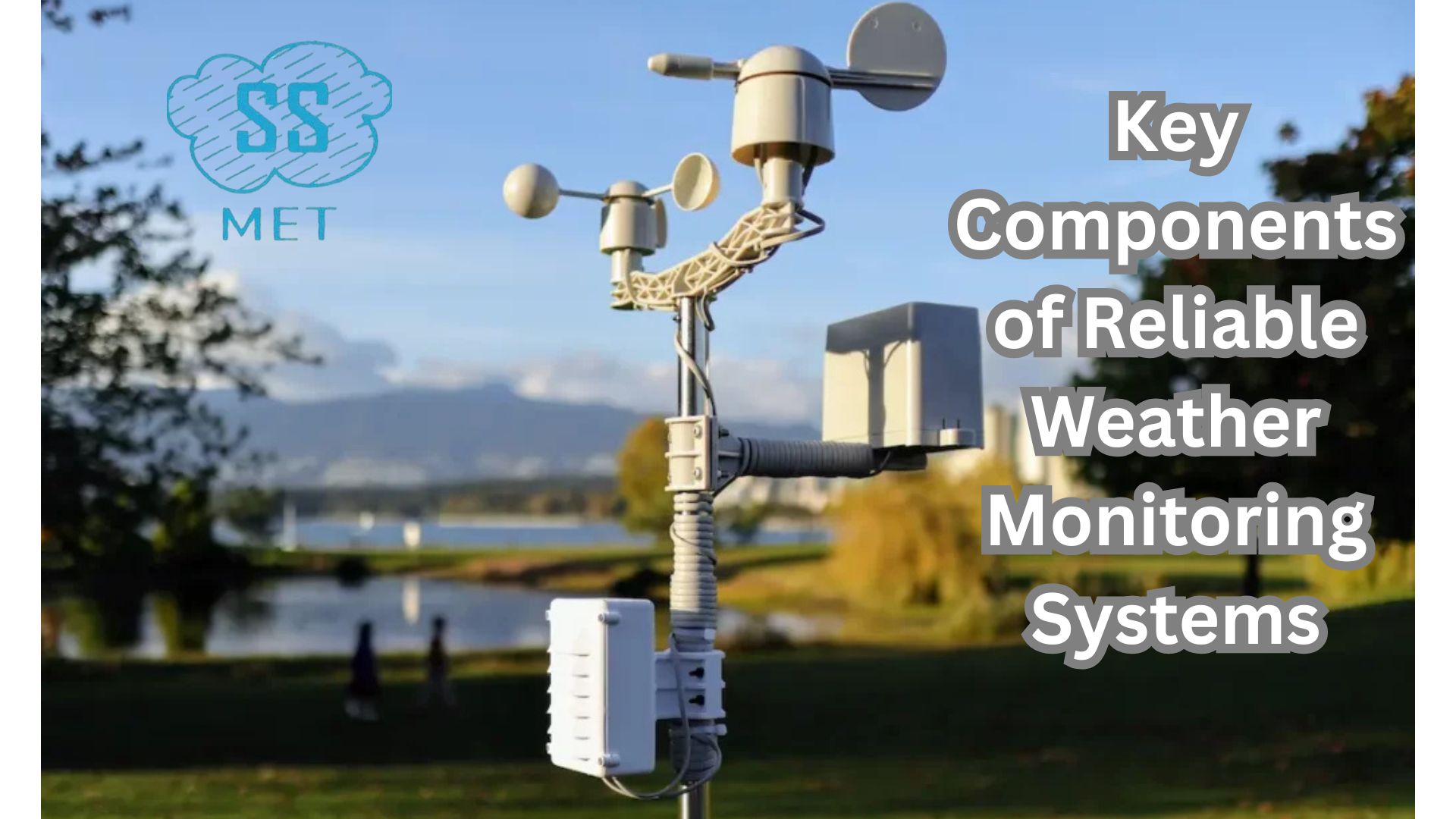
With each passing year, many parts of the world are experiencing speedy changes in climatic conditions. In India itself, the extreme climate has extended for more than three hundred days in recent years. Monitoring the weather conditions has become all the more significant, as the saying goes, ‘our geography decides our economy.’ The weather monitoring systems play a huge role in this process. These systems gather, process and communicate necessary weather data, which is then used for numerous business activities. Industrial works, agriculture, sports, transportation, space program research, and disaster management are many versatile domains that depend on a reliable weather station. SS Micro Electronics is the top manufacturer and supplier of a wide variety of sensors, data loggers and other devices that constitute a weather station. We cater to metrology, hydrology, agriculture and many other domains. Let’s peek into the key components that weather stations have. Weather Monitoring Systems Components Sensors for Measurement Sensors are the most integral part of the weather monitoring systems. These are used to measure the various weather parameters such as temperature, wind speed, atmospheric pressure, solar irradiance, humidity and specific data like soil moisture, leaf wetness, and soil oxygen. Their accuracy and response time are the key qualities that matter. Data Loggers for Processing The measurements taken by sensors are transformed into the form of signals, which are processed in the data loggers. These devices share the readings that can be comprehended by the observers. The processes that go into data loggers are averaging, filtering, and timestamping. It has sufficient memory to store the measured data. Communication Device Weather data is transferred to the central server or directly to the receiving units of business operations or research centres. This is done by communication setups attached to the sensors and loggers. Many of the data loggers have this feature in-built. A dependable communication delivers data instantly without error. Structural Setup Mounting structure is highly essential for well-functioning weather monitoring systems. It provides stability, security and proper exposure without obstructions. Its placement, material of structure and overall design directly influence data accuracy and long-term performance. Best Weather Monitoring Systems Provider The weather monitoring systems by SS Micro Electronics Technology Pvt Ltd are designed with robust features and innovative technology. They enable lightning-fast monitoring and analysis of weather-related data. Our smart loggers can be integrated into the IoT networks for convenience and ease of access. Our broad range of sensors measures the weather parameters precisely and remains durable. Collectively, we serve many domains in research and commerce. Our supply timeline is quick and prices are competitive. Conclusion Sensors, data loggers, communication mediums and mounting structures are the key components of the weather monitoring systems. These complete the network of a functional and sophisticated system. When a system works in fine condition, it protects data against loss, tampering, and gaps. For anyone looking for the individual sensors, compact weather stations or full-fledged monitoring systems, reach out to our team at SS Micro Electronics.

Top Features To Expect From Pressure Sensor Manufacturers
Uncategorized

Top Features To Expect From Pressure Sensor Manufacturers

Atmospheric pressure is a fundamental indicator of weather changes. It drives the movement of air and wind, which leads to different climatic conditions like cloud formation, precipitation and others. Therefore, no weather station can be imagined without a pressure sensor. These are the equipment that are used to predict changes in atmospheric pressure, which gives the necessary data for weather prediction models. Modern pressure sensors have advanced features included by the pressure sensor manufacturers. They aim at improved performance, better safety, reduction in size, and longevity. An ISO certified manufacturer like SS Micro Electronics is the top choice for the meteorological weather stations. Here’s what you can expect from our pressure sensors: Features of a Pressure Sensor Accuracy & Resolution In every measurement device, accuracy and resolution are the characteristics that tell how reliable the device is. Accuracy is how close the data shown by the sensor is to the actual value of pressure, while the resolution is the smallest change that can be measured. Being one of the top pressure sensor manufacturers, make sensors with accuracy up to ± 0.1 hPa and resolution of 0.01 hPa. Quick Response Time Real-time measurement and display are always expected from the pressure sensors. Therefore, the response time must be quick and low so that the slightest change in pressure can be indicated without delay. Low Power Dissipation Power dissipation is the unwanted heat dissipated by a device running on an electrical or battery system. Since modern pressure sensors are portable and lightweight, the power dissipation through the sensors must be low. Protection Features The pressure sensors are installed in the open, being exposed to all the external weather conditions. They should be protected from dust and water. IP rating indicates the protection level of the sensor. Technically Robust Modern pressure sensor manufacturers include multiple transducers, selectable display, easy integration with loggers and multiple communication interfaces. Sustained Operation These are installed in the open in hydro-meteorological systems, Automated Weather Stations and Automated Weather Observing System (AWOS). Moreover, these are compatible with the RS232, USB and LAN communication interfaces. The calibration cycle should be longer so that it doesn’t require frequent maintenance work. Conclusion Given the critical use of pressure sensors in meteorological systems, aviation, aerospace, marine environments, defence, etc., their performance and reliability become essential. Their features are multiple interfaces, good material quality, protective features and many others. Choose SS Micro Electronics and get the comprehensive list of weather stations. As one of the leading pressure sensor manufacturers, we will provide the equipment with great accuracy, resolution, compatibility and high rate of communication.

Why Automated Weather Stations are Preferred Today
Uncategorized

Why Automated Weather Stations are Preferred Today

There are a few devices as robust as the modern automatic weather stations (AWS). These are an assembly of sensors and core components that have high accuracy and precise operations. The reason why these are considered extremely high quality is that they are exposed to harsh and remote environments over a long period. Any degradation in quality can damage the sensors, which gives wrong data. In high-stakes operations such as aviation and defence, the wrong data delivery can have drastic consequences. Additionally, the automated systems require more safety because there is minimal human intervention. So, why do modern industries prefer them? In this blog, we, SS Micro Electronics, will try to answer this question. Reasons Why Automated Weather Stations Are Used Streamlined Function The automated weather stations have sensors and loggers to signal and record data and send it to the central server. The sensor receives the data, loggers record it, the communication system sends the data, and the entire system is provided proper enclosure for safety. These can be connected to the conventional power supply or the solar power supply to ensure continuous operation. No Human Error The manual weather stations are those in which a person manually reads and records data. The data flow is slow and tiring. And the scope of these stations is limited because the observer is required to be present. But with the automated function of AWS, these errors are avoided. Comprehensive Weather Data Measurement The AWS systems have numerous sensors built in to sense the various data related to weather. Temperature, humidity, atmospheric pressure, wind speed, rainfall, solar irradiance, and other relevant data can be processed, making it a comprehensive data measurement and recording device. These data can be sent to a central server, which distributes them to multiple receivers- from agriculture to weather forecasting channels. Protective Features for Sensor To protect the sensitive sensors, sufficient shields and shelters are mounted to enclose them. These are coated for long-lasting protection. The entire weather station is corrosion-resistant and non-conductive for uninterrupted performance. Conclusion With the robust working mechanism, a wide range of data sensing and collection, durable build quality, and protective features, there are versatile applications of automated weather stations in meteorology, agriculture, scientific works, aviation, and hydrology. If you want to buy these weather measuring instruments, choose SS Micro Electronics. We have a diverse range with high accuracy and resolution for various applications.

Best Meteorological Equipment For Agricultural Weather Station
Uncategorized

Best Meteorological Equipment For Agricultural Weather Station

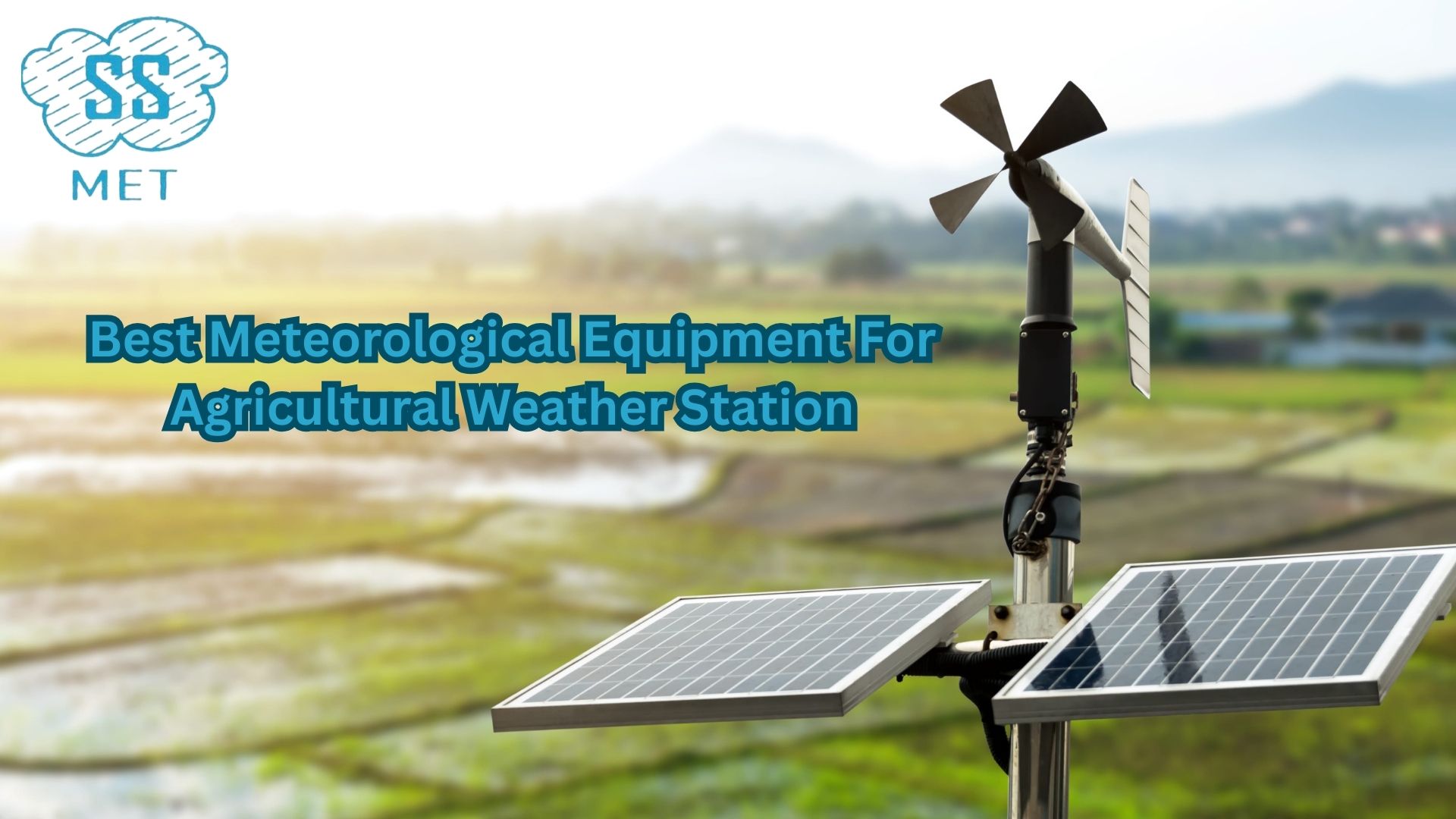
To get the best yield of crops from their farm fields, the farmers hugely depend on the weather. Knowing the weather conditions at the different stages of farming requires good weather forecasting instruments. At SS Micro Electronics, we provide a wide range of instruments for predicting various parameters related to weather. These instruments play a critical role in the accurate measurement of environmental conditions like temperature, pressure, humidity, etc. Let’s explore the important meteorological equipment that farmers can use in their fields. Essential Meteorological Equipment While there are large number of meteorological equipment to forecast weather and check the conditions of environmental elements, these are the basic ones that are installed in the agricultural weather station: Temperature Sensor: It is used for precise and extremely accurate measurement of air temperature. This sensor works by sensing the change in the electrical property to generate the signal, which is displayed on the screen. It generates digital or analogue output. Humidity Sensor: This sensor works by sensing the change in capacitance or resistance of the material on which the moisture absorption occurs. This change is processed to display the relative humidity. Wind Speed Sensor: Measuring wind speed is spraying chemicals like pesticides and fertilisers on the target without drifting away. It also helps in preventing soil erosion and planting cover crops. Soil Moisture Sensor: The moisture of the soil is essential in maintaining the health of the crop. Knowing the exact value helps the farmers in supplying water in the right amount and at the right time. Rain Gauge: Understanding the rainfall patterns is another crucial aspect of farming. The rain gauge provides accurate data for rainfall forecasting, so the farmers can adjust their crop management. Radiation Sensor: Since the solar radiations provide energy for photosynthesis, it helps the farmers in timing their irrigation, fertilization and adapting to changing climate conditions. Also Consider These Besides the fundamental sensors, here are the meteorological equipment that are also used in agriculture: NPK Sensor- Measuring the amount of nitrogen, phosphorus and potassium, which are essential nutrients. Leaf Wetness Sensor: The leaf wetness sensor helps in determining the health of plants and assessing risk. Data Loggers: Used for recording and storing various data related to temperature, humidity, soil moisture, etc. Soil Oxygen Sensor: It helps in evaluating the plant root respiration. Sufficient oxygen is important for nutrient uptake and preventing diseases. Conclusion Depending on their farming needs, the farmers and the agricultural authorities install the meteorological equipment in the weather stations. The basic parameters measured are air temperature, relative humidity, rain gauge, soil moisture and solar radiation. If you want to buy these equipment, reach out to the team at SS Micro Electronics.

Environmental Monitoring Equipment
Uncategorized

6 Reasons to Choose Environmental Monitoring Equipment

Today when pollution levels are rising and climate conditions are getting unpredictable, monitoring the environment is no longer a choice, but essential. Whether you’re running a pharmaceutical facility, managing a laboratory, or maintaining a clean room, the air you breathe and the conditions around you matter more than ever. That’s where Environmental Monitoring Equipment comes in handy.  What is Environmental Monitoring Equipment? The environmental monitoring system is a type of machine that is designed to measure the parameters in the environment. It works through sensors and data collection terminals followed by analyzing the collected data. The equipment makes sure the areas where environmental parameters are crucial are kept under control.  Let’s discuss quick reasons to use an environmental monitoring system and find out whether it can help businesses control and manage their environmental data. Provides data on temperature, humidity, and airflow of the environment  The most typical reason to choose the system is to remotely collect the data of the environmental parameters. Experts can have real-time data on the temperature, humidity, and airflow of the environment. This enables them to monitor the environment. They can instantly monitor the parameters that can occur. It is very important at places near warehouses and data centers. With real-time data, it is easy to prevent the loss of unrecoverable data or to notice any security gaps with the environmental monitoring system. Provides Accurate Data for Analysis Remember if you cannot measure something, you cannot improve it. Environmental monitoring equipment helps you with constant and trusted that can be used to make important decisions. Whether you are trying to improve a process, conduct research, or fix contamination issues. the data can offer massive benefits.  Accessible from anywhere What makes environmental monitoring systems more important is being able to access data from anywhere. So, it is possible to avoid the negative effects of the slightest change in values. It is a must in areas like health centers, food stores and any places where environmental conditions are very important. Eliminates Operational Risk Prevention is always better than cure. Since the system helps you detect anomalies like unexpected sudden humidity changes, temperature hikes, or microbial growth early, it is very convenient for experts to take corrective action in advance even before things go out of control. It’s like getting an early warning that saves you from bigger disasters. Production Growth No doubt environment inside your office directly impacts your work productivity. Sudden changes in temperature and humidity, for example, make it difficult for staff to work. They can provide reduced productivity.  However, installing an environmental monitoring system can prevent this situation. It provides an appropriate value and sends instant notifications when the values are exceeded. So, experts can control the environment inside the premises. This leads to increased production growth. Reduces Air Pollution Another reason to choose an environmental monitoring system is that it can measure and record the components and quality of air in the environment. It can measure pollutants, like ozone, toxic gases, greenhouse gas, particulate matter and more that may impact air quality.  It can help monitor air levels using sensors.  With such details in hand, experts can monitor air quality and assess the value of traffic, energy consumption, industrial areas, agricultural waste, and overall manage everything. Final Thoughts Environmental Monitoring Equipment is a necessity in today’s data-driven, quality-conscious, and sustainability-focused world. Whether you’re managing a cleanroom, lab, or production facility, these tools help you maintain standards, ensure safety, and drive efficiency. S S Micro Electronics manufactures and supplies a wide range of cutting-edge environmental monitoring solutions customized to meet industry standards. From airborne particle counters to microbial samplers and temperature loggers, we’ve got you covered.

Agricultural Weather Sensors
Uncategorized

Role of Agricultural Weather Station In Improving Crop Management

Every farmer aims for high-volume crops with the best quality yield to earn maximum reward for their hard work. One of the most critical factors in crop cultivation is weather. Weather conditions make or break the quality of crops. But by assessing the weather conditions with the right tools and equipment, farmers can make time the various agricultural activities like planting, irrigation, pest control, fertilization, and harvesting. For instance, a leaf wetness sensor helps in determining plant health, indicating the presence of pests or any harmful foreign element. Similarly, many devices give weather-related data to aid agricultural activities. Let’s explore how agriculture weather stations improve crop management. Agriculture Weather Stations Crop Management Weather Monitoring Agriculture weather stations give comprehensive data on air temperature, humidity levels, soil temperature and moisture, wind direction and speed, and amount of sunlight. All these conditions are monitored and then important agricultural activities are carried out accordingly.  Enhancing Crop Management Decisions These stations help farmers prepare the soil, sow the seed at the right time, irrigation, fertilization, weed out damaged plants, perform pest and disease controlling actions and harvest the crop. Avoid Adverse Conditions Knowing when the season shall be dry or heavy rains helps farmers adjust irrigation timings. Soil precipitation levels help them avoid overwatering or under watering. They can optimize their timing, energy and volume of water, chemicals and cost involved in the overall crop cultivation. Instruments In Agriculture Weather Stations The agriculture weather stations have various instruments to provide weather-related data. Measurement of rain levels and predict heavy rainfall or dry season, soil precipitation level, wind direction and speed for pest control, solar radiation for photosynthesis, etc. are determined by these instruments. At SS Micro Electronics, here are some of our key offerings: Rain Gauge: Soil Moisture and Temperature Sensor: Wind Direction Sensor Wind speed sensor Leaf Wetness Sensor Total Radiation Sensor Air Temperature and Relative Humidity Conclusion The agricultural sector gains huge benefits from data acquired from weather stations. It gives weather prediction, forecasts future adversaries and prepares the farmers to schedule the various agricultural activities and get the best yield of crops. If you want a reliable weather station that gives accurate data and withstands various environmental conditions with durability, choose SS Micro Electronics. We provide excellent products and complete installation and after-sales and technical support.

air quality monitoring sensors
Uncategorized

What Are the Benefits of Air Quality Monitoring Sensors in Today’s Time?

The constant increase in the environmental pollution has become a major concern in today’s time. Air pollution being at peak in most urban cities is degrading the air quality and is also impacting human health. At present, government is utilizing multiple ways to curb the situation to improve the air quality and offer a surrounding to people where they can breathe safely. Air quality monitoring sensors are quite helpful in such times, as they are used in monitoring air quality index of areas where they are installed. Also, they are helpful in determining the pollutants or harmful gases present in the environment to alert people about such situations. Let’s discover some of the benefits of air quality monitoring sensor through this blog to understand its importance and requirement. Shares Real Time Update about Air Quality Monitoring air quality in real time is highly essential, as poor air quality can badly affect people with breathing issues or respiratory problems. Breathing in such toxic air will also affect the lungs and other body parts. But thanks to the presence of air quality monitoring sensors which are making it possible for one to determine the air quality in real time. It helps in sharing real time updates through different applications to make people take necessary precautions when they are outdoors. It also helps government keep a track on air pollution and install air purifiers at places where required. Helps in Determining Harmful Pollutants Air quality monitoring sensors these days are equipped with latest technology making them highly efficient for today’s polluted environment. These sensors not only share the air quality index or severity of air pollution at a particular place. But it also helps in determining the harmful pollutants and toxic gases present in the air. Installation of these sensors close to industrial areas or highly polluted areas will help in finding the main cause behind the air pollution. It will help government put restrictions on the industries or other factors which are contributing towards the rise in air pollution. Suitable To Use Both Indoor & Outdoor Manufacturers are designing different types of air quality monitoring sensors which are suitable to use both indoors and outdoors. One must understand that pollutants can be present anywhere, be it indoor or outdoor. People often neglect it thinking that they have better air quality inside their offices, industries, or home. But one must understand that pollutants can travel inside as well through air or the use of chemicals in industries or cleaning or dusting that takes place in home can activate the pollutants which may affect your throat or can cause cough. That is why the manufacturers have designed air quality monitoring sensor which can be easily installed indoor without taking much space due to their compact size. It will help in keeping a track on the pollution level indoors and one can make use of air purifiers to deal with it. Conclusion We all can now understand the overall benefits offered by air quality monitoring sensors and how they are essential for the environment. But when investing in one, it is essential to check its features and buy from a reputed brand only so that you buy the best quality sensors. We at S S Micro Electronics are designing premium quality sensors which are known for their exceptional features and are suitable for both indoor and outdoor use.

Meteorological Equipment
Uncategorized

How Meteorological Equipment Helps Us Understand Climate Changes

In recent years, the effects of climate change have been experienced more frequently than ever. Extreme weather conditions, poor air quality and rising pollution-related health concerns are common occurrences. To mitigate or reduce these effects of climate change, scientific communities need accurate reading and interpretation of weather patterns and atmospheric variables. This is where meteorological equipment plays a vital role. Let’s learn about these equipment and how can help us have a comprehensive understanding of the wide subject of climate change. What is Meteorological Equipment Meteorological equipment is a broad categorization of devices and instruments used to collect, process, interpret and analyze various data related to atmospheric conditions like temperature, humidity, wind speed, air pressure, precipitation, etc across a certain region over a particular period. These equipments range from single-parameter measurement devices like thermometers, barometers, and anemometers to large data collectors like thermo-hygrometers, weather stations etc. A reliable manufacturer like SS Micro provides these types of equipment at affordable prices for research bodies and weather analyzing authorities. Meteorological Equipment To Understand Climate Change Weather Pattern Tracking Meteorological equipment is used for tracking and recording weather parameters. By analyzing weather patterns over time, scientists and researchers can read and analyze shifts in those patterns. This helps them in giving warning signals and suggesting pre-emptive measures. For example, if there is an increase in the frequency of storms in tropical regions, they might conclude it is due to a rise in ocean temperature which is a direct consequence of global warming. Long-Term Monitoring Weather is localized and short-lived atmospheric conditions and climate is a long-term pattern that remains consistent over centuries. To understand climate change using weather data reading instruments, we need specialized equipment that can record data over large periods. This is how meteorological equipment like data loggers and sensors store weather data over a long period, giving enough data to make informed decisions and future predictions. Extreme Weather Pattern Identification Meteorological equipment can detect extreme weather conditions like hurricanes, cyclones, droughts and heatwaves. This helps meteorological departments to send warning signs and take preventive measures. They are equipped with early warning systems using which they can alert the citizens and minimize potential damage. Support Renewable Energy Sources These equipment can read and provide detailed analysis of solar and wind patterns in a particular region, helping the placement of solar panels and windmills. That’s how they support the use of renewable energy sources. Conclusion Climate change is a complex topic. But with accurate tools that provide real-time data like meteorological equipment, scientists and researchers are empowered to understand the effects of climate change. Hence, meteorological equipment is an important tool in the fight to mitigate its effect. By using these equipment from a trusted manufacturer like SS Micro, scientists and government authorities can get access to in-depth analysis of weather data over a long period and therefore understand the complexities of our planet which ultimately helps them in making informed decisions.

Why Automated Weather Stations are Preferred Today
Uncategorized

How to Choose the Best Professional Weather Instruments for Your Needs

Weather forecasting has immense vitality in many sectors, from agriculture to aviation, from climate research to marine operations. Prediction and measurement of environmental factors like temperature, humidity, air pressure and wind speed play a crucial role especially for farmers who want the best yield of crops, and airplane pilots, ship captains, disaster management experts to prevent losses, ensure safety and efficiency. If you are looking to invest in weather instruments, but are confused about the right choice, this is the best place you have come to. This blog will definitely help you make an informed choice so you are able to pick the best weather instrument as per your need. Identify Your Purpose Weather instruments are designed for measurement and presentation of one or more weather entities. For instance, a thermometer, barometer, anemometer only calculate temperature,  air pressure and wind speed respectively. Whereas meteorological systems like ‘radiosonde’ are used to measure multiple weather data units. Hence it is important to know where and which instrument you need to buy: Agriculture: Weather plays an important role in crop management and productivity in agriculture. By using weather stations specifically designed for agriculture, farmers can monitor various factors like temperature, humidity, air pressure, soil temperature, precipitation level, solar radiation, etc. This gives them valuable inputs for optimizing planting, growth and harvesting for maximum yield.  Aviation: Flight operations rely heavily on real time meteorological data for planning and adjustment of altitude, route, speed and landing. It helps them anticipate potential harm like thunderstorms, turbulence and fog, and navigate through them safely. Marine: Marine and coastal management need reliable weather data monitoring systems as several factors like wind speed, temperature and humidity levels affect the operations directly.  Sailors on voyage use weather instruments to avoid extreme ocean conditions to ensure safety. Research: Meteorologists and environmental researchers use weather stations to study and analyse climate trends, predict changes. This data is used by many commercial organisations for research and development and also by the government to monitor the climate conditions and take necessary course of action. Factors To Consider Meteorological Data:  Knowing which data you need for your operations is important because different instruments provide data for different weather parameters. Temperature, humidity and wind velocity are some common data sets you might need. But suppose you are a sea sailor, then you won’t need a soil temperature sensor. Likewise if you are a farmer then you won’t need sensors that provide sea specific data such as sea surface temperature, wave height, tidal information etc. Calibration: Weather forecasts have widespread implications on the economy. Hence their reliability is of utmost importance to provide prediction of favourable to severe weather conditions. This is ensured by calibration of instruments with standard references for accurate measurements, which is crucial for informed decision making and preventing losses. Versatility: Most likely you need more than one data, therefore a weather instrument that collects and provides multiple weather parameters is always preferred. For instance, a weather station containing sensors and data loggers to measure meteorological data as well as air quality is a very good option especially in urban city centres.  Connectivity: Instant connectivity with central stations is important because that’s how the data from various instruments across a particular region is aggregated to provide a complete picture of weather patterns and necessary insights. A weather station that can transfer data rapidly from remote stations with accuracy is valuable since these areas are hard to reach. Why Choose S S Micro S S Micro Electronics is the prominent leader in offering weather instruments that provide accurate, reliable and cost effective solutions for meteorological data across industries. With a team of skilled technicians, they are well experienced and well equipped to measure, assemble and calibrate these data for research and other vital operations. Some key reasons why they are best providers of technically advanced weather instruments:  

Air Quality Monitoring Sensors
Uncategorized

Discover the Importance of Weather Instruments in Different Applications

Weather instruments include a wide variety of devices which are used in measuring different weather conditions. These devices help in keeping us updated about the weather and are also used in several crucial and scientific applications. Precision matters a lot in these equipment as that helps in getting accurate information regarding the weather forecast. It is one of the reasons why it is recommended to buy them from reliable weather instrument manufacturers like S S Micro Electronics. Being into this business for long, we utilize advanced components and cutting-edge technology in manufacturing these instruments. Let’s discover the importance of these weather instruments and how they offer support to different applications. Supports Climate Studies & Environmental Research With the sudden change in the climatic conditions and with weather getting worse, climate study has become crucial. Environmental scientists are conducting several researches to determine the reasons behind the change in the climate conditions and how to tackle with these changes effectively. To conduct these researches different data related to climatic conditions are required including the measurement of environmental temperature, humidity percentage, precipitation percentage, air-flow measurement, and a few more. Weather instruments like thermometers, rain gauges, barometers, anemometers, and a few more are required for measuring these. Gives Precise Weather Forecast Weather forecast is important in our day to day life, as it helps us in knowing whether it is going to be sunny outside or whether it will rain. It also helps in knowing the temperature and the amount of humidity present in the environment. All this would not have been possible without the presence of weather instruments. They help in determining the exact temperature and weather condition making it convenient for one to prepare accordingly when stepping out. Like, if it is about to rain in an hour or two, one will step out with an umbrella. Get Warnings About Environmental Disasters in Advance The most crucial benefit offered by weather instruments is creating awareness among people about any upcoming disaster like flood, heavy storm, or earthquake. Meteorologists use these instruments to monitor and measure several weather conditions. It helps them in detecting any severe weather condition in advance and enables them to issue warning related to such upcoming disasters on time. Well, that’s not all, as weather instruments also support different industries including aviation sector, transportation sector, agriculture industry, and a few more. But to ensure that you get precise weather updates, it is recommended to choose exceptional quality weather instruments. That is why it is advised to go for certified manufacturers like S S Micro Electronics. All our weather instruments are well-certified and quality tested and are known for offering precise information without fail.

Air Quality Monitoring Sensors
Uncategorized

What to Look for When Buying Air Quality Monitoring Sensors?

With the constant increase in the air pollution the need for air quality monitoring sensors is increasing. It has become quite essential to monitor the quality of air and take actions to improve the quality. Breathing in this polluted air is harmful for all and it also causes several health problems affecting the overall well-being. That is why air quality monitoring sensors are installed in different parts of every urban city these days to keep a track on the air quality. The manufacturers are producing different types of sensors to check the quality of air at different places like gas sensors, particulate matter sensors, indoor air quality sensors, outdoor air quality sensors and a few more. Deciding on which air quality sensor is the best and suitable is quite difficult. That is why in this blog, we are sharing a few factors to consider when buying the best air quality monitoring sensors in India. Buy According To Your Specific Needs There are different types of pollutant available in the air and every air sensor is configured to work differently according to the environment and the type of pollutants present in the air. So always ask the manufacturer about the types of pollutants or gases the sensor detects. According to that, you can decide if the air quality monitoring sensors meet your requirements or not. Similarly, the sensors for industrial use and residential use also vary, so check that too before buying them. Go For Sensors That Deliver Precise Result Accuracy is highly crucial when investing in air quality monitoring sensors. It is advised to choose the air sensors that have less scope of errors and are capable of delivering precise air quality measurements in different environment. Precise measurement will not only help in detecting the number of pollutants present in the air, but will also help in improving air quality in a better way. Buy Well-Certified Air Quality Monitoring Sensors Once you are done checking the configuration and quality according to your application demands, it is time you check if the sensor meets all the quality and safety standards or not. Buying from a reputed and well-certified manufacturer will help you invest in a reliable quality sensor without any problem. We at S S Micro Electronics are ISO certified and are known for delivering well-integrated and quality certified air sensors that are known for their efficient performance and long lasting durability. Other than these factors, one must also consider the measurement range of these air quality monitoring sensors. It will help you know if it will cover the required area or not. Cost is another factor to consider but at the end, so that you do not compromise on the quality. If you are seeking a trustworthy air quality monitoring sensor manufacturer then we at S S Micro Electronics are the best. We are into the business of manufacturing several weather and environmental factor monitoring devices since long and have hundred percent achieved customer satisfactions.

Uncategorized

WEATHER RADARS

C-BAND WEATHER RADAR: The C-band dual polarization full coherent weather radar is new generation weather radar, which is a version with addition of dual polarization function based on the Doppler weather radar. It has two operation modes, one is the dual line polarization transmit/ receive mode, the other is the horizontal liner transmit and dual liner polarization receive mode. The radar is used for application in weather, weather artificial intervention, water conservancy, aviation, military and scientific research sectors.

Uncategorized

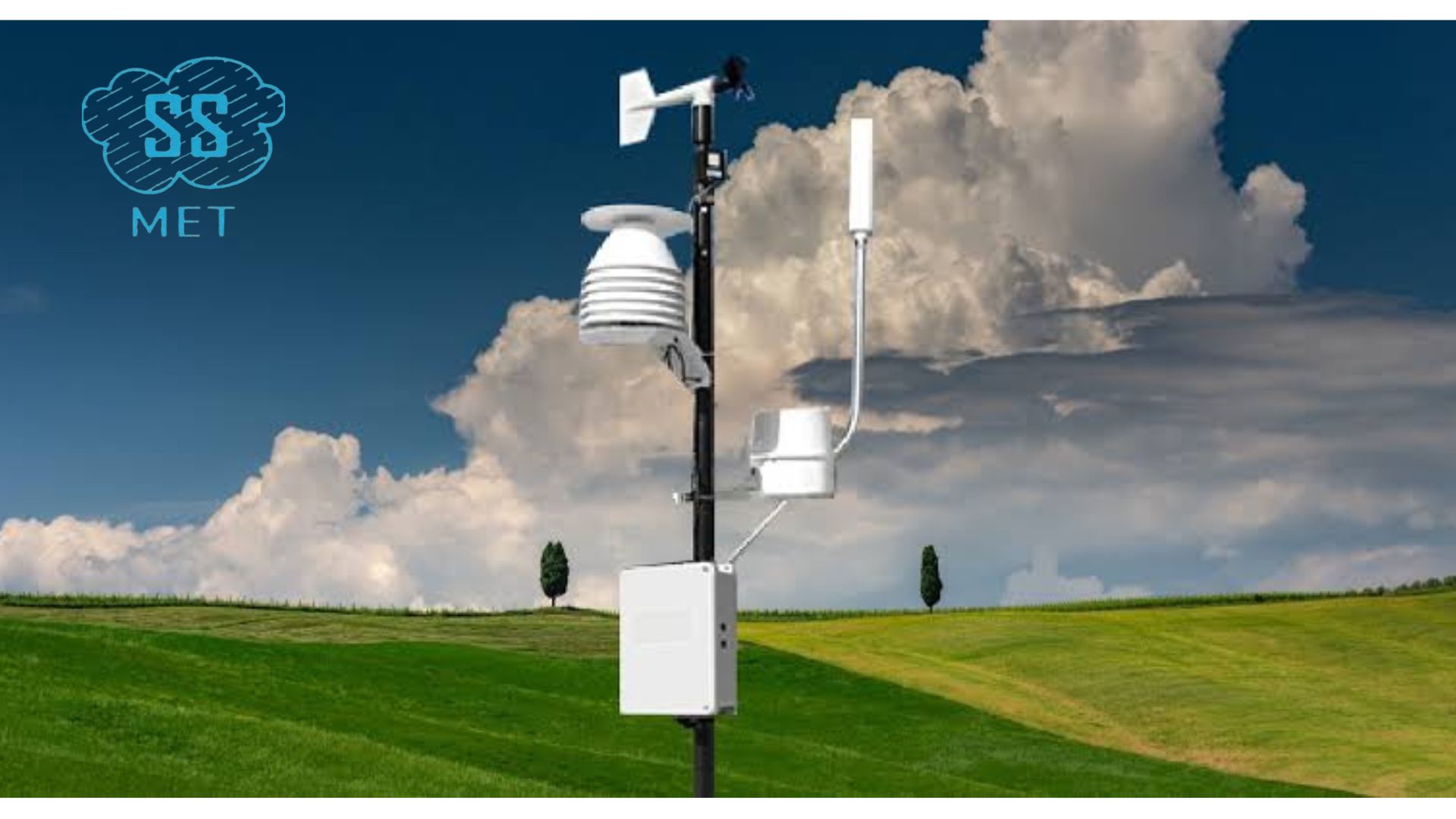
AUTOMATIC WEATHER STATION

SS-AWS is used for atmospheric temperature, relative humidity, atmospheric pressure, wind speed & direction, solar radiation, light, rainfall, soil temperature and humidity parameters measurement. The station consists of various types of sensors, LCD screen, meteorological data collector, chassis, support and other parts. It can be widely used in meteorology, hydrology, agriculture, forestry, scientific research and other fields. Depending upon the user’s requirement a number or sensors can be added or deleted to the predefined systems. If there are other functional requirements please can contact us as we can provide professional solutions.

Uncategorized

RADIOSONDE

In the past few years many countries has rapidly developed and adopted Upper-air operational system, GPS sounding systems. We S S Micro Electronics Technology (P) Ltd. has also developed Indigenous Upper-air operational system, GPS sounding systems. This system is used to measure the meteorological elements as temperature, air pressure, humidity, wind direction, wind speed and altitude etc. from ground to around 40 Km in the aerological atmosphere directly and accurately. Radar tracking on ground is not used in this system, but it employs a high precision GPS to automatically track the sounding of the balloon. As a result of this automaticity the accuracy of the system improves significantly.

Scroll to Top

GET A QUOTE